Optimizing Your Sleep Environment: A Practical Room-by-Room Guide
Learn how to elevate sleep quality by tailoring your bedroom setup. From bed placement and lighting to temperature, noise control, and breathable textiles, this guide offers actionable steps to craft a calmer, more restorative sleep space.
Introduction: Why the Bedroom Environment Matters
Even the most advanced mattresses and high-thread-count linens can fall short if the surrounding environment isn’t aligned with your sleep needs. Sleep science shows that cues from our surroundings—light, sound, and temperature—play a decisive role in how easily we transition through sleep stages and how long we stay there. A thoughtfully organized bedroom can reduce wakefulness, lower physiological arousal, and set a predictable rhythm that nudges your body toward rest.
In this Vogue-worthy room-by-room guide, we celebrate a non-commercial, evidence-informed approach to sleep. We’ll explore practical techniques you can implement immediately, with room-specific tips designed to feel effortless rather than forced. Think of your bedroom as a sanctuary—the stage where your nightly performance of healing, renewal, and beauty begins.
Room-by-Room Optimization: A Path to Restful Sleep
1) Bed Area: Support, Comfort, and Calm
The bed is the heart of the room, but it doesn’t exist in isolation. Positioning and the surrounding textures shape how your body experiences sleep. Begin with a bed that anchors the room in a way that promotes ease of movement and a sense of serenity.
Bed placement: Position the bed so you have a clear view of the doorway while avoiding direct line with the door if possible. This classic feng shui principle translates to modern bedrooms as a safety cue that reduces waking up startled or startled perceptions at night. If layout constraints exist (sloped ceilings, alcoves, or windows), prioritize sightlines and ease of getting in and out of bed.
Foundational choices: A platform bed with a clean silhouette and a low footboard offers a grounded, modern aesthetic that won’t visually crowd the space. For a touch of timeless elegance, consider a solid-wood base with a minimal profile, allowing your textiles to take center stage. (Product reference: Bennington Bed with Low Footboard—see product details below.)
Textiles and texture: Layer breathable textiles with varying textures—cotton percale sheets, a lightweight wool throw, and a duvet cover in a calming neutral. The goal is tactile comfort without visual clutter. Natural materials help regulate humidity and temperature, contributing to a more stable sleep surface.
2) Lighting and Ambience: Cue Your Wind-Down
Lighting is the conductor of your circadian rhythm. The right lighting signals the brain to wind down, while excessive brightness or blue-rich light in the evening can delay melatonin production.
Evening lighting: Embrace warm, dimmable lights in the 2700–3000K range as you approach bedtime. Use lamps with soft fabric shades to create diffuse glow and avoid harsh overhead lighting after sunset.
Natural light management: During the day, maximize sunlight to regulate your internal clock; at night, block streetlight intrusion with blackout curtains or a heavy drape lining for deep, consistent darkness.
Practical tip: Consider a smart dimmer or programmable lighting routine to ease your transition to sleep. Sleep-friendly scenes that gradually reduce brightness over 20–30 minutes can feel luxurious and effortless.
3) Temperature and Humidity: The Right Sleep Climate
A cool, well-ventilated sleeping environment supports deeper sleep and reduces awakenings. Extreme heat or humidity disrupts thermoregulation and can lead to restless nights.
Optimal range: A bedroom temperature around 60–67°F (15–19°C) is widely recommended, but personal comfort matters most. If you share a bed, you may prefer a slightly cooler environment to accommodate your partner’s preferences.
Humidity control: Aim for 40–60% relative humidity. In dry climates, a humidifier can prevent nasal dryness; in humid climates, a dehumidifier helps prevent condensation and mold.
4) Sound Management: Quiet as a Luxury
Noise is a frequent sleep disruptor. Prioritize sound reduction in both structure and behavior to preserve a peaceful night.
Strategies: Soft flooring, upholstered headboards, and heavy drapes absorb noise. Consider white noise or nature-sound machines as a non-intrusive backdrop that can mask intermittent urban sounds.
Partner considerations: If you share your bed, discuss acceptable daytime and nighttime noise levels, and seek solutions that accommodate both comfort and quiet zones.
5) Breathable Textiles: The Sensory Experience
Sheets, pillows, and blankets should feel luxurious without sacrificing breathability. The goal is comfort that remains cool in summer and warm in winter, thanks to smart fabric choices and layering.
Fabric selections: Natural fibers such as 100% long-staple cotton (Egyptian or Supima) or organic cotton offer softness and moisture-wicking properties. Linen is ideal for warm climates due to its exceptional breathability. For those who prefer blends, ensure a balance of texture and airflow.
Layering approach: Start with a breathable sheet set, add a duvet in a mid-weight fill, and finish with a lighter blanket for temperature-adjustable layering across seasons.
6) Seasonal Transitions: Simple, Non-Obtrusive Changes
Seasonal shifts should feel like a gentle update rather than a full redesign. Swap in lighter textiles for warmer months, adjust lighting schedules, and revisit the layout to maintain balance as daylight changes.
Checklist: Evaluate bedding weight, curtain opacity, and lamp brightness at the start of each season. Ensure clean, easy-care fabrics that can be refreshed through periodic laundering and gentle rotation.
7) Small-Space and Rental Considerations: Big Impact with Subtle Moves
Urban living often means compact rooms. Use vertical space for storage, ensure airflow with slim shelving, and select adaptable furnishings that preserve a sense of calm and openness.
Tips include choosing furniture with clean lines, maximizing natural light during the day, and using textured textiles to create depth without visual clutter.
8) Seasonal and Lifestyle-Specific Tips
Shift work, travel, or caregiving routines can alter sleep needs. Tailor your environment to your schedule—consider blackout drapes for daytime sleepers, or a dim, serene ambiance for late-night workers.
Quizzes and quick self-checks can help you identify gaps in your sleep environment and guide small changes that yield meaningful results.
Product Spotlight: A Curated, Non-Commercial View
In keeping with a non-commercial, education-forward approach, we explore design-forward pieces that embody the calm, durable aesthetics of a sleep-enhancing bedroom. The aim is to illuminate choices that harmonize form and function rather than endorse brands or sales.
Bennington Bed with Low Footboard
Solid wood, platform construction, and a low footboard for a clean, versatile foundation. Available in natural Cherry, Maple, or Walnut to suit a spectrum of bedroom styles. Its architecture anchors a serene sleeping space without visual heaviness.
Key features include a straight-line profile suited to both contemporary bedding and traditional ensembles, a sturdy build, and a timeless silhouette that supports a calm, uncluttered room.
View Product DetailsThe Clean Bedroom Level 1 Adjustable Bed Base
A foundation designed for personalized comfort with seven adjustable head and foot height settings. Ideal for those who value posture support, circulation, and a bed that adapts to your nightly preferences.
Practical design cues include independent head and foot lifts, a robust lift capacity, and adaptable legs—creating a sleep stage that supports a broader spectrum of wellness routines.
View Product DetailsComfy Mattress Topper
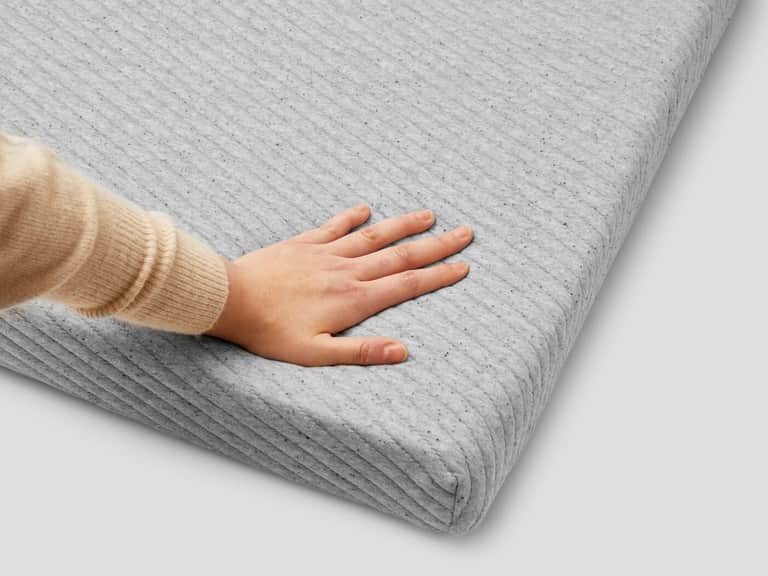
Two layers of foam deliver breathable comfort and support, topped with a quilted knit cover for a secure fit. A refined layer of comfort that can elevate your sleep experience without a full mattress replacement.
This topper is a simple, elegant way to tailor your bed’s feel—softening or firming the surface while preserving a breathable, temperature-balanced surface.
View Product DetailsHistorical Perspectives: Three Key Figures Shaping Sleep and Space
Across eras, thinkers have linked the quality of sleep with the quality of life, and the spaces in which we rest have carried symbolic weight—from the cloistered calm of medieval rooms to the minimal, daylight-infused interiors of modern design. Here are three influential voices from different periods whose ideas resonate with a thoughtful, sleep-enhancing bedroom.
-
Hypnos, the Greek Personification of Sleep (Classical Antiquity)
In ancient myth, Hypnos embodies the quiet, restorative power of night. Though a mythic figure, his presence is a reminder that sleep is a deliberate act of surrender to rest. In the context of modern design, this translates to creating a space that invites nighttime stillness—soft textures, enveloping fabrics, and a room devoid of visual noise to honor the sacred space of sleep.
-
Marie Kondo, 21st-Century Decluttering and Spatial Minimalism
Kondo’s philosophy of reducing clutter to spark joy translates elegantly to the sleep environment. A bedroom free of unnecessary items reduces cognitive load and promotes tranquility. The interview of space by intention—storage that disappears, surfaces that gleam with calm—supports easier wind-down and a more restorative night.
-
Le Corbusier, Modernist Architect and Principles of Proportion
To Le Corbusier, proportion and light govern how space is perceived. In a sleep environment, this means selecting furniture scales that breathe room and rhythm that flows—an uncluttered plan, balanced lighting, and an emphasis on natural materials that age gracefully. The bedroom becomes a piece of architecture where form serves the quiet purpose of rest.
A Vogue-Style Closing: Your Sleep Sanctuary Awaits
The best sleep environment is neither ostentation nor austerity; it is a cultivated calm—an elevating, celebratory space where you can surrender to rest with ease. By combining bed geometry, lighting choreography, climate control, and breathable textiles, you craft a nocturnal stage that supports every dream, every dawn.
This guide invites you to approach your bedroom as a continual work of self-care—an editorial worthy space that evolves with your life, your rhythms, and your style. The result is not merely better sleep; it is a refined, everyday luxury—an intimate environment where health, aesthetics, and quiet confidence converge.