Wool is a natural fiber used in bedding for its resilient structure and ability to manage moisture. In pillows and other sleep products, wool can help create a comfortable sleep surface while allowing air to circulate. Understanding wool’s properties helps compare materials used in pillows, sheets, and mattresses.
Wool fibers can absorb water vapor and release it into the surrounding air, which may help reduce the clammy feel associated with trapped moisture. Their natural crimp also creates loft and cushioning. These characteristics make wool a relevant fill material for people evaluating bedding based on breathability and everyday comfort.
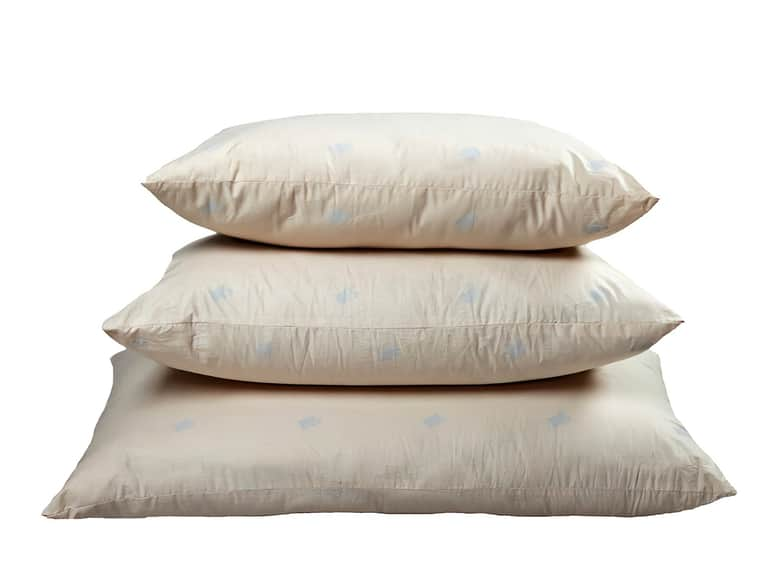
The Sleep and Beyond myWool Pillow is a wool-based pillow option within this category. Its wool filling provides cushioning and uses the fiber’s natural structure to support airflow and moisture management. Pillow comfort and support depend on personal sleep position, preferred firmness, and how the pillow’s loft suits an individual’s needs.
When comparing wool pillows, consider the filling, cover fabric, care instructions, and whether the design allows adjustment. These details affect feel, maintenance, and suitability for different sleepers. Wool bedding is distinct from organic mattresses and organic crib mattresses, which have separate construction, safety, and material considerations.
Wool may appeal to people seeking bedding made with natural fibers, but product characteristics vary by construction and manufacturer. Checking material disclosures and care guidance can clarify how a pillow is made and maintained. Comparing these details alongside sheets, pillows, and mattress materials helps support informed choices about a sleep environment.
 Bedding